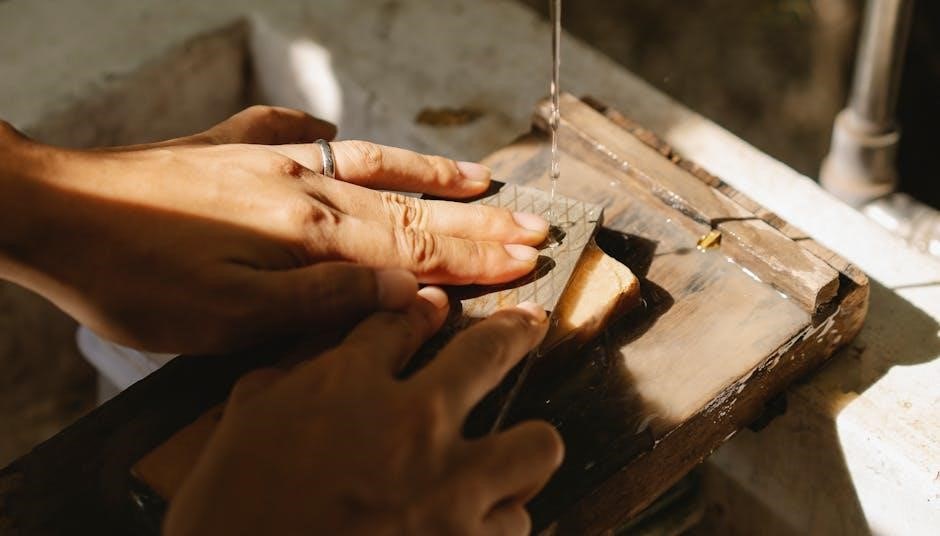
Guided field sharpeners offer a streamlined approach to blade maintenance, ensuring consistently sharp edges for outdoor enthusiasts and professionals alike․
These innovative tools combine portability with precision, making them ideal for maintaining knives during hunting, camping, or everyday tasks․
They provide a reliable solution for keeping cutting tools in peak condition, regardless of location, and are gaining popularity for their ease of use․
What is a Guided Field Sharpener?

A guided field sharpener is a portable, multi-stage sharpening system designed to restore and maintain the edge on knives and blades in various environments․ Unlike traditional sharpening methods that rely heavily on user skill and angle consistency, these sharpeners incorporate built-in angle guides․
These guides ensure the blade is held at the optimal sharpening angle throughout the process, leading to more uniform and professional results, even for beginners․ The Work Sharp Guided Field Sharpener, for example, utilizes five distinct stages, progressing from coarse diamond plates for significant reshaping to finer abrasives for polishing and refining the edge․
Essentially, it’s a self-contained sharpening solution, often compact enough to fit in a backpack, making it a valuable tool for hunters, campers, and anyone who needs a sharp blade on the go․ It simplifies the sharpening process, removing much of the guesswork involved․
Why Use a Guided Field Sharpener?
Using a guided field sharpener offers several advantages over traditional sharpening methods․ Primarily, they deliver consistent results, even for those lacking extensive sharpening experience, thanks to the integrated angle guides․ Maintaining a sharp blade is crucial for safety and efficiency, and these tools make that achievable in the field․
Portability is another key benefit; their compact size allows for easy transport during outdoor adventures․ Furthermore, guided systems often sharpen blades faster than whetstones or other manual techniques․ They are ideal for quickly restoring a dull edge while hunting, camping, or performing other tasks where a sharp knife is essential․
Ultimately, a guided field sharpener provides a convenient and reliable way to keep your blades performing at their best․

Work Sharp Guided Field Sharpener: A Detailed Look
The Work Sharp Guided Field Sharpener is a comprehensive sharpening solution designed for versatility and ease of use, suitable for both novice and experienced users․
It’s a popular choice for maintaining blade edges in various settings․
Key Features of the Work Sharp Guided Field Sharpener
The Work Sharp Guided Field Sharpener boasts several key features that contribute to its effectiveness and user-friendliness․ A standout characteristic is its integrated sharpening guide, which maintains precise blade angles throughout the sharpening process, crucial for consistent results․
Its compact and lightweight design enhances portability, making it an excellent companion for outdoor adventures․ The sharpener accommodates a wide range of blade types and sizes, offering versatility for various cutting tools․
Furthermore, the durable construction ensures longevity, even with frequent use in demanding environments․ The inclusion of a protective case adds to its convenience, safeguarding the sharpener during transport and storage․ It’s designed to be fast, easy to use, and deliver reliable performance every time․
The Five-Stage Sharpening System
The Work Sharp Guided Field Sharpener utilizes a unique five-stage sharpening system designed to restore and refine blade edges efficiently․ This system begins with a coarse diamond plate for initial reshaping and removal of significant damage․
Next, a medium diamond plate refines the edge, followed by a fine diamond plate for further polishing․ The fourth stage employs a ceramic stone to create an exceptionally sharp and refined edge․
Finally, a leather strop aligns the microscopic metal fibers, resulting in a razor-sharp, long-lasting finish․ Each stage builds upon the previous, ensuring a progressively sharper and more polished blade, with angle guides for precision․
Stage 1: Coarse Diamond Plate
The initial stage of the Work Sharp Guided Field Sharpener employs a coarse diamond plate, serving as the foundation for blade restoration․ This stage is crucial for addressing damaged or dull edges, effectively removing material to reshape the bevel․
It’s designed to tackle significant imperfections, such as chips or rolled edges, quickly and efficiently․ Users should apply moderate pressure and consistent strokes, following the guided angle, to establish a new, clean edge․
This aggressive stage prepares the blade for subsequent refinement, laying the groundwork for a truly sharp and polished final result, and is vital for heavily used knives․
Stage 2: Medium Diamond Plate
Following the coarse diamond plate, the medium diamond plate refines the edge established in the first stage․ This step transitions from material removal to edge refinement, smoothing out the scratches left by the coarser grit․
It’s designed to further shape the bevel and begin creating a sharper, more defined cutting edge․ Consistent pressure and controlled strokes, maintaining the guided angle, are essential for optimal results․
The medium grit prepares the blade for the finer polishing stages, removing imperfections and setting the stage for a truly keen edge, improving upon the initial reshaping․
Stage 3: Fine Diamond Plate
The fine diamond plate builds upon the work of the medium grit, significantly refining the blade’s edge․ This stage focuses on removing the remaining scratches and creating a more polished surface, bringing the blade closer to its ultimate sharpness․
Employing lighter pressure than previous stages is crucial to avoid altering the established bevel; Consistent, controlled passes along the blade, guided by the sharpener’s angle, are key to achieving a uniform and exceptionally sharp edge․
This step prepares the blade for the final polishing stages, maximizing its cutting performance and overall edge retention․
Stage 4: Ceramic Stone
The ceramic stone stage transitions from abrasive diamond surfaces to a honing material, further refining the blade’s edge for peak performance․ This stage excels at removing any microscopic burrs left by the diamond plates, creating an incredibly smooth and sharp cutting surface․
Utilizing very light pressure and consistent strokes, the ceramic stone polishes the edge, enhancing its ability to slice through materials effortlessly․ Maintaining the correct angle, guided by the sharpener, is vital for optimal results․
This stage is crucial for achieving a truly refined and durable edge, preparing the blade for the final stropping phase․
Stage 5: Leather Strop
The final stage, leather stropping, is a polishing process that elevates the blade’s sharpness to its absolute maximum potential․ This stage doesn’t remove metal; instead, it aligns the microscopic teeth of the blade’s edge, creating a razor-sharp finish․
Using light pressure and drawing the blade along the leather strop, the edge is refined and burnished, resulting in increased cutting efficiency and longevity․ Consistent angle control, as with previous stages, is paramount for achieving a professional-grade edge․
This final step ensures a smooth, clean cut and prepares the blade for demanding tasks, completing the five-stage sharpening system․
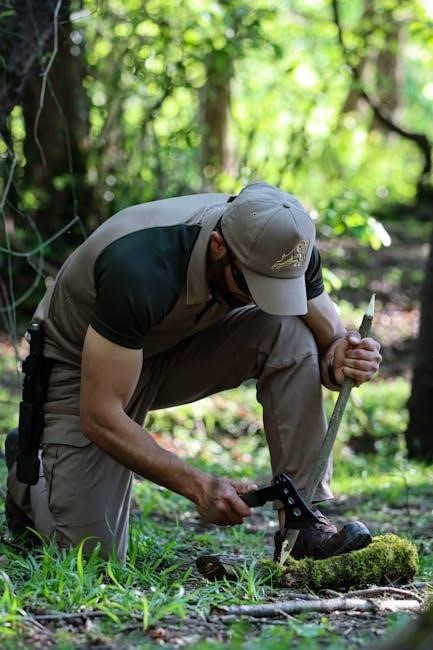
Benefits of Using the Work Sharp Guided Field Sharpener
The Work Sharp Guided Field Sharpener delivers consistent, professional-quality sharpening results with ease, offering portability, speed, and precision for all your blade-maintenance needs․
It ensures optimal cutting performance and extends the life of your knives․
Maintaining Consistent Blade Angles
A key advantage of the Work Sharp Guided Field Sharpener lies in its ability to consistently maintain the correct blade angle throughout the sharpening process․ Unlike freehand sharpening methods, which require significant skill and practice, this sharpener features built-in angle guides․
These guides ensure that the blade is held at the optimal angle for sharpening, regardless of user experience․
Bear Grylls highlights this precision, noting the angle guide helps achieve the “most precise angle possible․” Maintaining a consistent angle is crucial for creating a durable, effective edge․
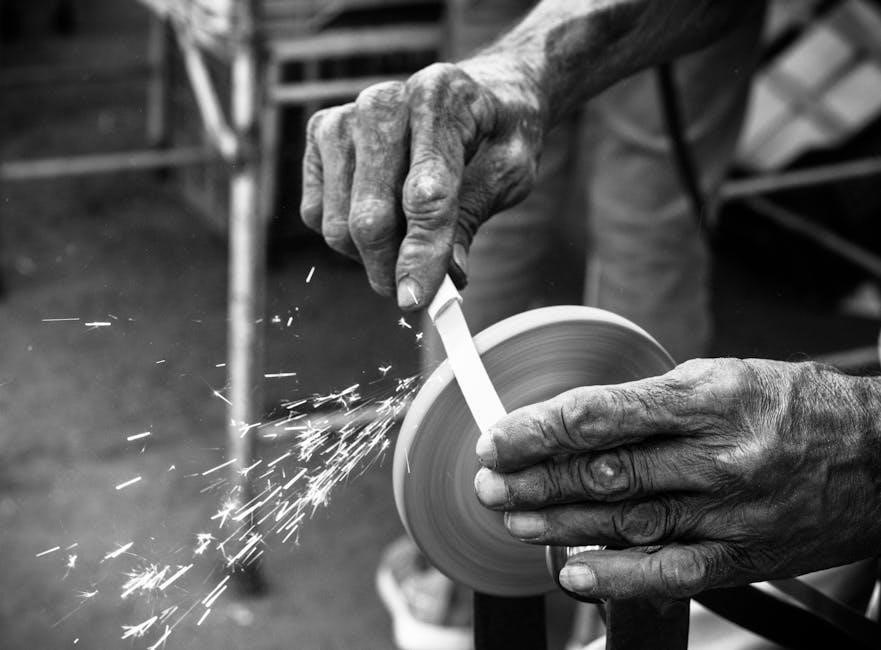
Inconsistent angles can lead to weak spots in the blade, reducing its performance and lifespan․ The guided system eliminates guesswork, delivering repeatable results every time, making it ideal for both beginners and experienced users․
Portability and Convenience
The Work Sharp Guided Field Sharpener excels in portability, designed for use “in the field, home or shop,” as stated on Amazon․ Its compact size and lightweight construction make it easy to pack for camping, hunting, or backpacking trips․
Unlike bulky sharpening stones or electric sharpeners, it doesn’t require a dedicated workspace or power source․
The inclusion of a case further enhances its convenience, protecting the sharpener and its components during transport․
This makes it a practical choice for anyone who needs to maintain sharp blades while on the go, offering a complete sharpening solution in a conveniently sized package, ideal for outdoor adventures․
Speed and Efficiency of Sharpening
The Work Sharp Guided Field Sharpener is lauded for its speed and efficiency, offering a quick path to a razor-sharp edge․ Bear Grylls highlights its unique five-stage sharpening system, streamlining the process․
Users, like those at The Faithful Sportsman, report achieving a fine edge with just a few strokes on the coarse and fine diamond plates․
This contrasts sharply with traditional methods like whetstones, which can be time-consuming and require significant skill․
The guided angles ensure consistent results, minimizing wasted effort and delivering a sharp blade in less time, making it a valuable tool for those prioritizing efficiency․

Potential Drawbacks and Considerations
Despite positive reviews, some users on Reddit express dissatisfaction with the Work Sharp Precision Adjust, citing poor performance․
Careful consideration of user feedback and alternative sharpening methods is crucial before purchasing․
User Reviews and Common Complaints
Online discussions reveal a mixed reception to the Work Sharp Guided Field Sharpener․ While many praise its convenience and ability to restore a keen edge, particularly after demanding tasks like skinning game, a significant number of users voice concerns․ A recurring complaint, highlighted on Reddit’s r/BudgetBlades, centers around the performance of the Work Sharp Precision Adjust model, with some comparing it unfavorably to sharpening on concrete․
A video review further details these shortcomings, suggesting the sharpener struggles to deliver consistent results․ Despite the manufacturer’s claims of ease and effectiveness, these criticisms indicate potential issues with the quality of sharpening or the durability of the sharpening surfaces for some users․ It’s important to weigh these perspectives when considering a purchase․
Comparison with Alternative Sharpening Methods

Compared to traditional whetstones, guided field sharpeners like the Work Sharp offer a significant advantage in maintaining consistent blade angles, crucial for achieving a sharp and durable edge․ Whetstones require skill and practice to master, while guided systems simplify the process․ However, whetstones can offer finer control and potentially achieve a sharper edge with expertise․
Electric knife sharpeners provide speed and convenience, but often remove more metal and may not be suitable for all blade types; Manual guided systems, like the Work Sharp, strike a balance between control, portability, and ease of use, making them a popular choice for outdoor applications and general sharpening needs․
Whetstones vs․ Guided Systems
Whetstones demand a learning curve, requiring users to develop a feel for the correct angle and pressure for effective sharpening․ Achieving consistent results relies heavily on skill and practice, offering a potentially superior edge but with increased complexity․ Guided systems, conversely, prioritize simplicity and consistency․
They incorporate angle guides, eliminating much of the guesswork and making them ideal for beginners or those seeking a quick, reliable sharpening solution․ While whetstones offer greater customization and can achieve a finer polish, guided systems excel in repeatability and ease of use, particularly in field conditions․
Electric Knife Sharpeners vs․ Manual Systems
Electric knife sharpeners offer speed and convenience, utilizing abrasive wheels to quickly restore a blade’s edge․ However, they can sometimes be overly aggressive, removing more material than necessary and potentially damaging the blade․ Manual systems, like the Work Sharp Guided Field Sharpener, provide greater control and precision․
They rely on user-applied pressure and technique, allowing for a more delicate and customized sharpening process․ While slower than electric options, manual systems are generally preferred for maintaining high-quality blades and are more suitable for field use due to their portability and lack of reliance on a power source․
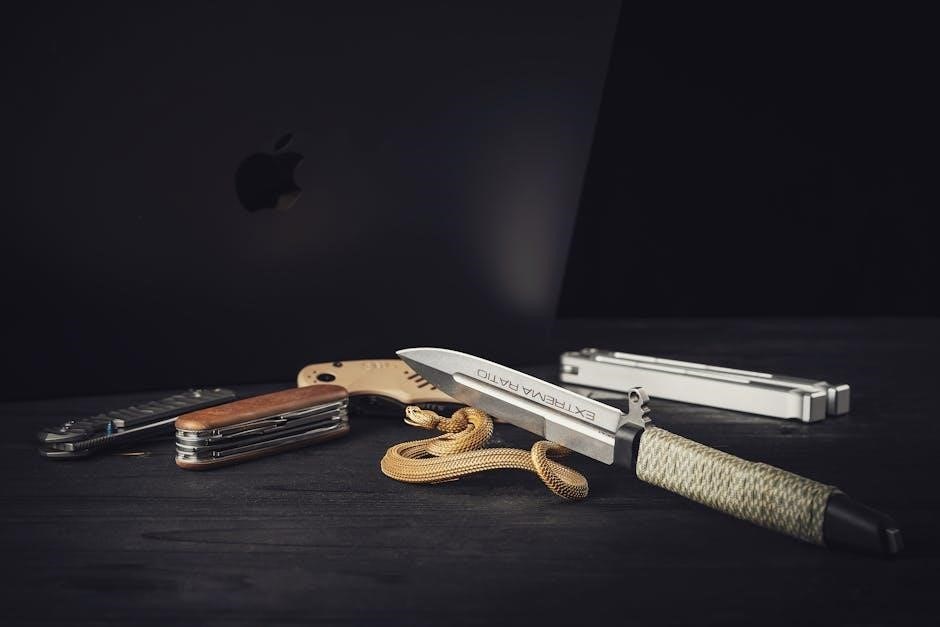
Alternatives to the Work Sharp Guided Field Sharpener (Under $50)
For budget-conscious users, alternatives like the Lansky BladeMedic and Smith’s Pocket Pal offer convenient sharpening solutions in a compact, affordable package․
These options provide essential sharpening capabilities without the higher price point of the Work Sharp system․
Lansky BladeMedic
The Lansky BladeMedic is a popular, budget-friendly alternative to the Work Sharp Guided Field Sharpener, often praised for its simplicity and effectiveness․ This all-in-one sharpening tool features pre-set 30° and 40° guides, catering to a wide range of knife blade angles․
It incorporates carbide sharpening V-slots for quick edge restoration and a ceramic honing slot for refining the blade to a razor-sharp finish․ Its compact size makes it exceptionally portable, easily fitting into a backpack or tackle box․
While it may not offer the multi-stage refinement of the Work Sharp, the BladeMedic excels at quickly restoring a functional edge, making it a solid choice for field use and general sharpening needs․ Many users find it particularly useful for touch-ups and maintaining already sharp blades․
Smith’s Pocket Pal
Smith’s Pocket Pal represents an incredibly affordable and compact sharpening solution, ideal for minimalists and those seeking an ultra-portable option․ This small tool packs a punch, featuring a two-stage sharpening system: a coarse carbide slot for initial edge setting and a fine honing slot for refining sharpness․
Its lightweight design and keychain attachment make it exceptionally convenient to carry, ensuring a sharpening solution is always within reach; While it lacks the guided angle precision of more advanced systems, the Pocket Pal is surprisingly effective for basic edge maintenance and quick touch-ups․
It’s a great entry-level sharpener or a backup option for those prioritizing portability and cost-effectiveness above all else․
Tips for Effective Sharpening with a Guided Field Sharpener
Consistent pressure and proper knife handling are crucial for optimal results when using a guided field sharpener, ensuring a keen and durable edge․
Proper Knife Handling Techniques
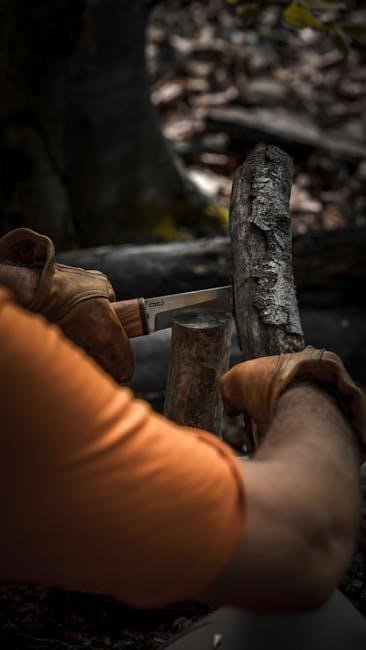
Maintaining a secure grip is paramount when utilizing a guided field sharpener․ Always keep your non-dominant hand clear of the sharpening path to prevent accidental cuts․ Establish a firm, controlled hold on the knife handle, ensuring the blade remains stable throughout each stroke․
Follow the angle guides provided by the sharpener diligently; these are designed to maintain the correct blade geometry․ Avoid applying excessive force, as this can damage both the blade and the sharpening stones․ Instead, focus on smooth, even passes, letting the sharpener do the work․
Consistent blade presentation is key to achieving a uniform edge․ Practice maintaining the same angle and pressure with each stroke, working from heel to tip․ Remember to alternate sides regularly for balanced sharpening․
Applying Consistent Pressure
Consistent pressure is crucial for achieving a refined and uniform edge with a guided field sharpener․ Avoid varying the force applied during each stroke, as this can lead to uneven sharpening and an inconsistent blade angle․ A moderate, steady pressure is generally recommended, allowing the abrasive surfaces to effectively remove material․
Let the sharpener’s design assist in maintaining the correct pressure; don’t force the blade through the system․ Focus on a smooth, controlled motion, ensuring the entire length of the blade makes contact with the sharpening stage․
Practice will refine your technique, enabling you to instinctively apply the optimal pressure for each diamond plate or ceramic stone․
Is the Work Sharp Guided Field Sharpener Right for You?
The Work Sharp Guided Field Sharpener presents a compelling solution for those seeking a portable and precise sharpening system, though user experiences vary․ While praised for its five-stage sharpening process and angle guides, some reviews highlight potential shortcomings in its effectiveness, particularly compared to traditional methods․
For beginners desiring a user-friendly option, it can deliver acceptable results, but experienced users might find it lacking the finesse of whetstones․ Considering alternatives under $50, like the Lansky BladeMedic or Smith’s Pocket Pal, is wise․
Ultimately, the decision hinges on your sharpening skill level and desired edge quality․